
The Role of Diagnostics in Enhancing Engine Efficiency
Efficient engine performance is crucial for any diesel-powered vehicle. Accurate diagnostics are key to maintaining this efficiency. Diagnostics help identify potential issues before they become significant problems, saving time and money. They involve assessing various components to ensure everything functions correctly. Effective diagnostics improve fuel economy, reduce emissions, and extend the engine’s lifespan. This underscores the importance of regular checks and maintenance using advanced diagnostic tools.
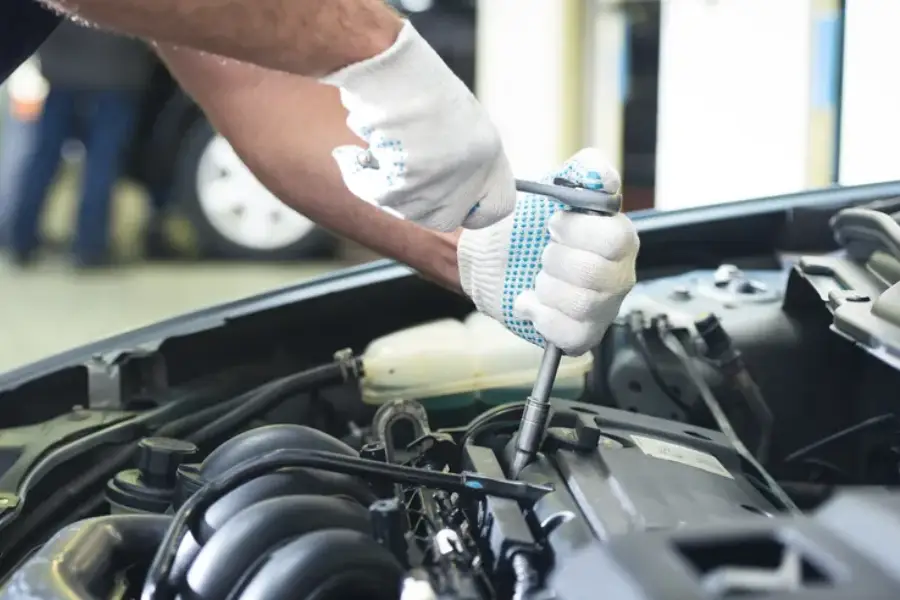
Why Timely Diagnostics Matter
Timely diagnostics can prevent costly repairs. When caught early, small issues can be corrected before they lead to major engine damage. Regular checks can alert you to wear and tear that might otherwise go unnoticed. By identifying these signs early, diagnostics help in planning routine service schedules that keep the engine running smoothly. Ensuring a diesel mechanic assesses your engine periodically can prolong its life and optimize performance.
Common Issues Detected Through Diagnostics
Diagnostics play a critical role in uncovering common engine issues. These include fuel system problems, air intake blockages, and turbocharger faults. Identifying these issues helps avoid breakdowns or severe engine failures. Efficient diagnostics mean you spend less on emergency repairs, which can be more expensive than planned maintenance. A skilled diesel mechanic will use specialized tools to detect these problems accurately and provide solutions.
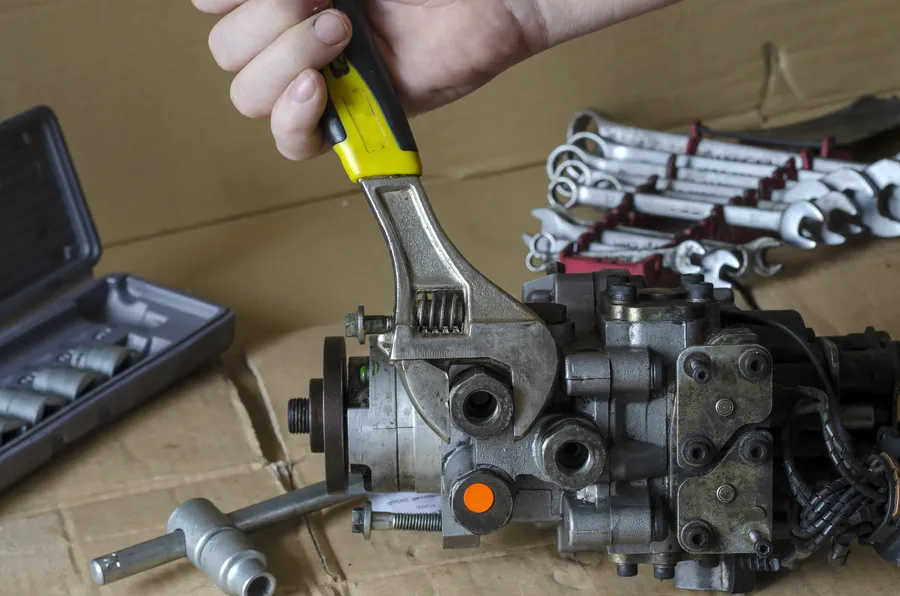
Modern Diagnostic Tools and Techniques
Advancements in technology have enhanced diagnostic capabilities significantly. Modern tools offer precise readings of the engine’s condition, identifying even minor inefficiencies. These tools can analyze data from various sensors throughout the vehicle. With this information, technicians can make informed decisions about necessary repairs or adjustments. Investing in modern diagnostic equipment ensures more accurate assessments and optimized engine performance.
Steps to Conduct Effective Diagnostics
Conducting effective diagnostics involves several key steps:
- Start with a visual inspection to check for obvious signs of wear or damage.
- Use diagnostic tools to read error codes from the engine control unit (ECU).
- Analyze sensor data to understand engine performance metrics.
- Perform tests on individual components as needed.
- Document findings and recommended actions for repair or service.
Benefits of Routine Diagnostics
Routine diagnostics offer numerous benefits. They help maintain optimal fuel efficiency by ensuring all systems operate as intended. Early detection of problems reduces unexpected downtime and repair costs. Moreover, they contribute to environmental protection by minimizing harmful emissions. Keeping an engine well-maintained through regular diagnostics also enhances safety, as it prevents sudden failures while driving.
Cost Considerations in Diagnostics
The cost of regular diagnostics is often outweighed by the savings from avoided major repairs. While some may view diagnostic services as an added expense, they are an investment in long-term reliability and performance. It’s essential to weigh these costs against potential downtime and repair expenses due to neglected issues. Choosing quality diagnostic services ensures peace of mind and extends the life of your diesel engine.
Your Partner for Reliable Engine Performance
If you’re seeking reliable engine diagnostics, contact me at (864) 400-9819. I am based in Greenville, SC and committed to providing top-notch service. At On The Go Diesel / Auto Repair, I specialize in maintaining diesel engines with precision diagnostics that enhance performance and longevity.